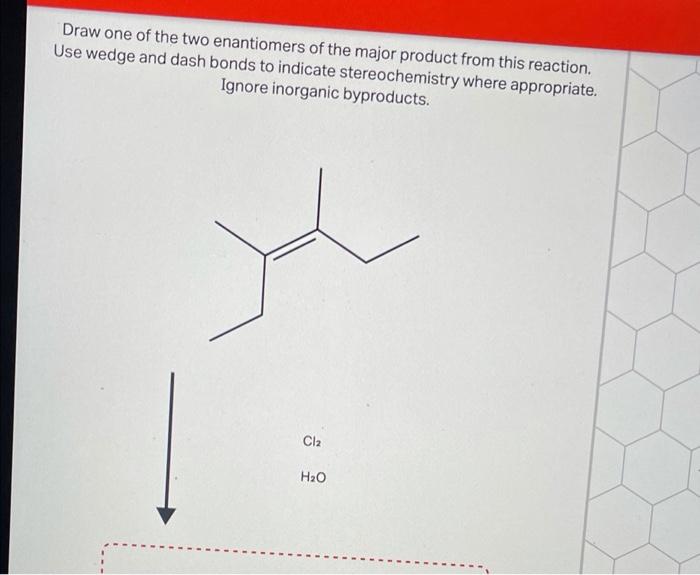
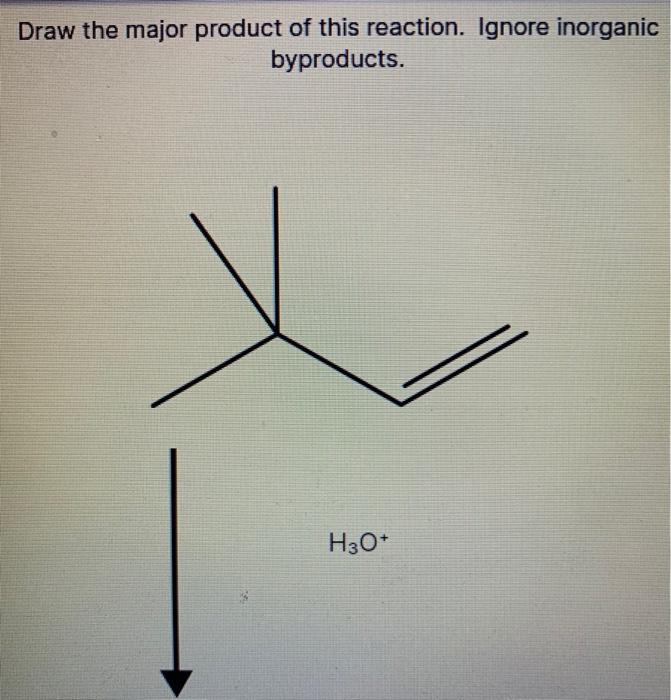
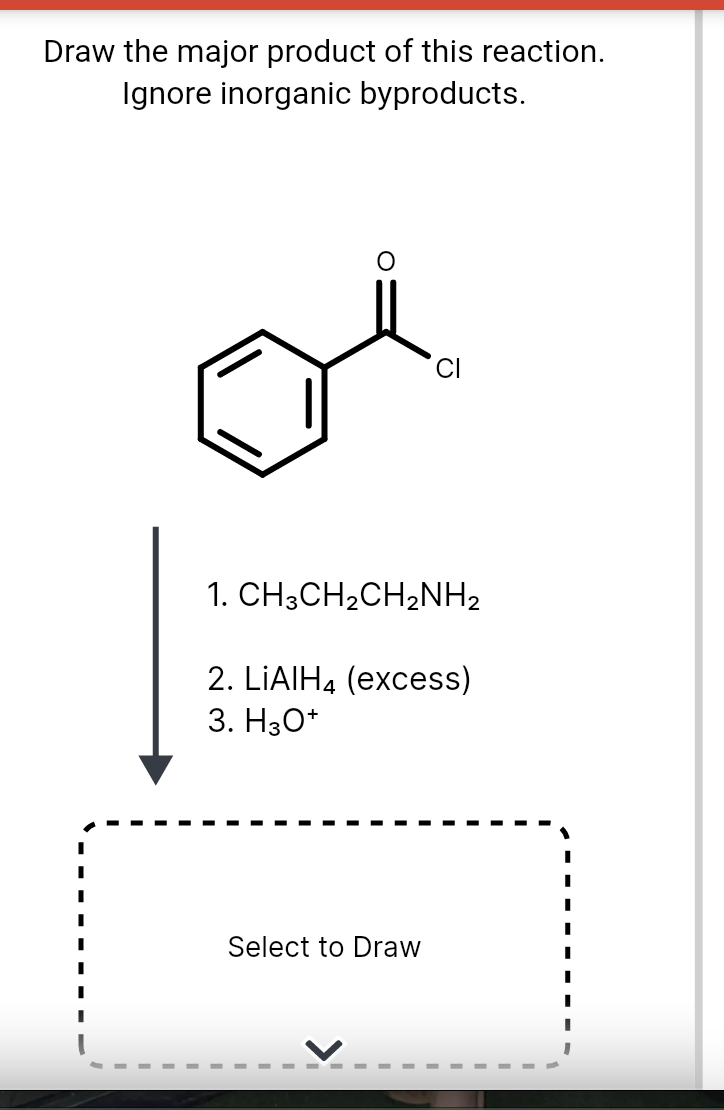
Draw The Major Product Of This Reaction
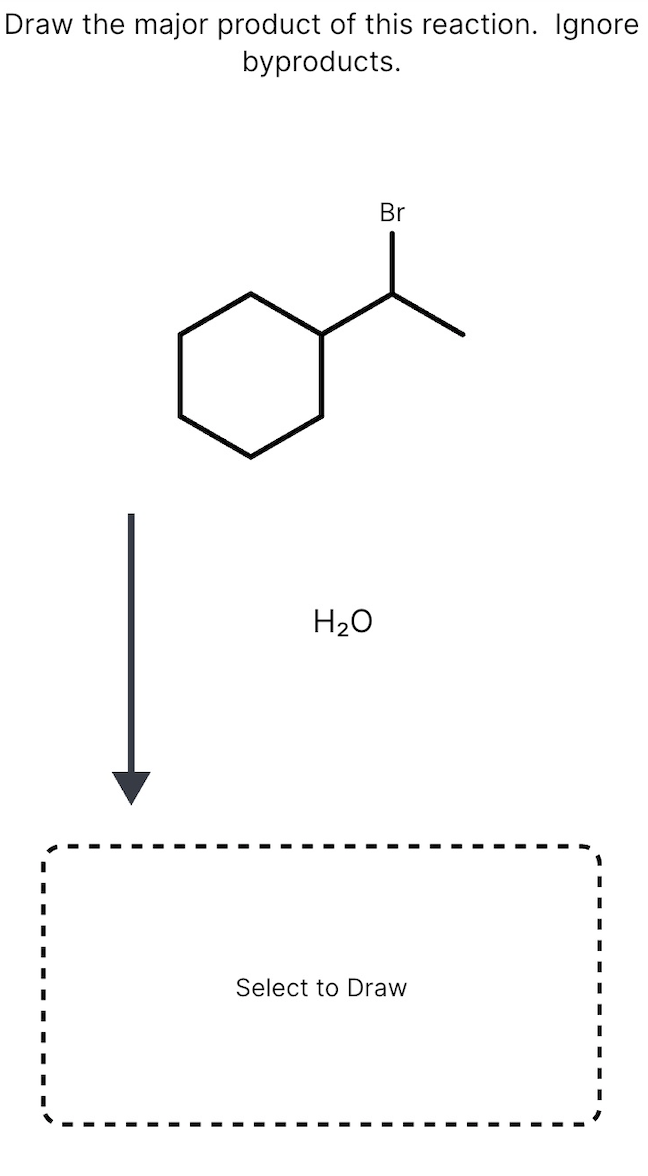
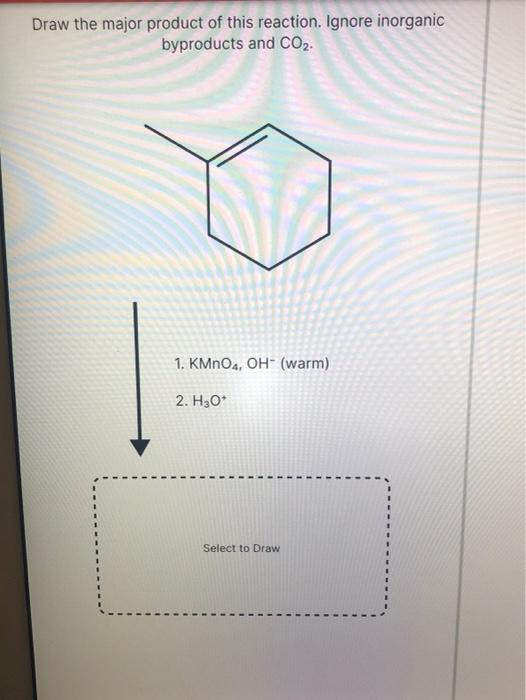
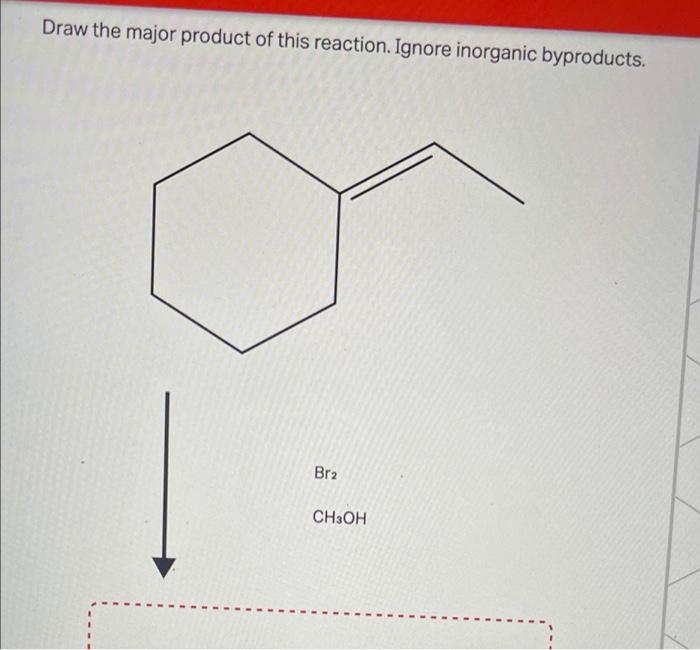
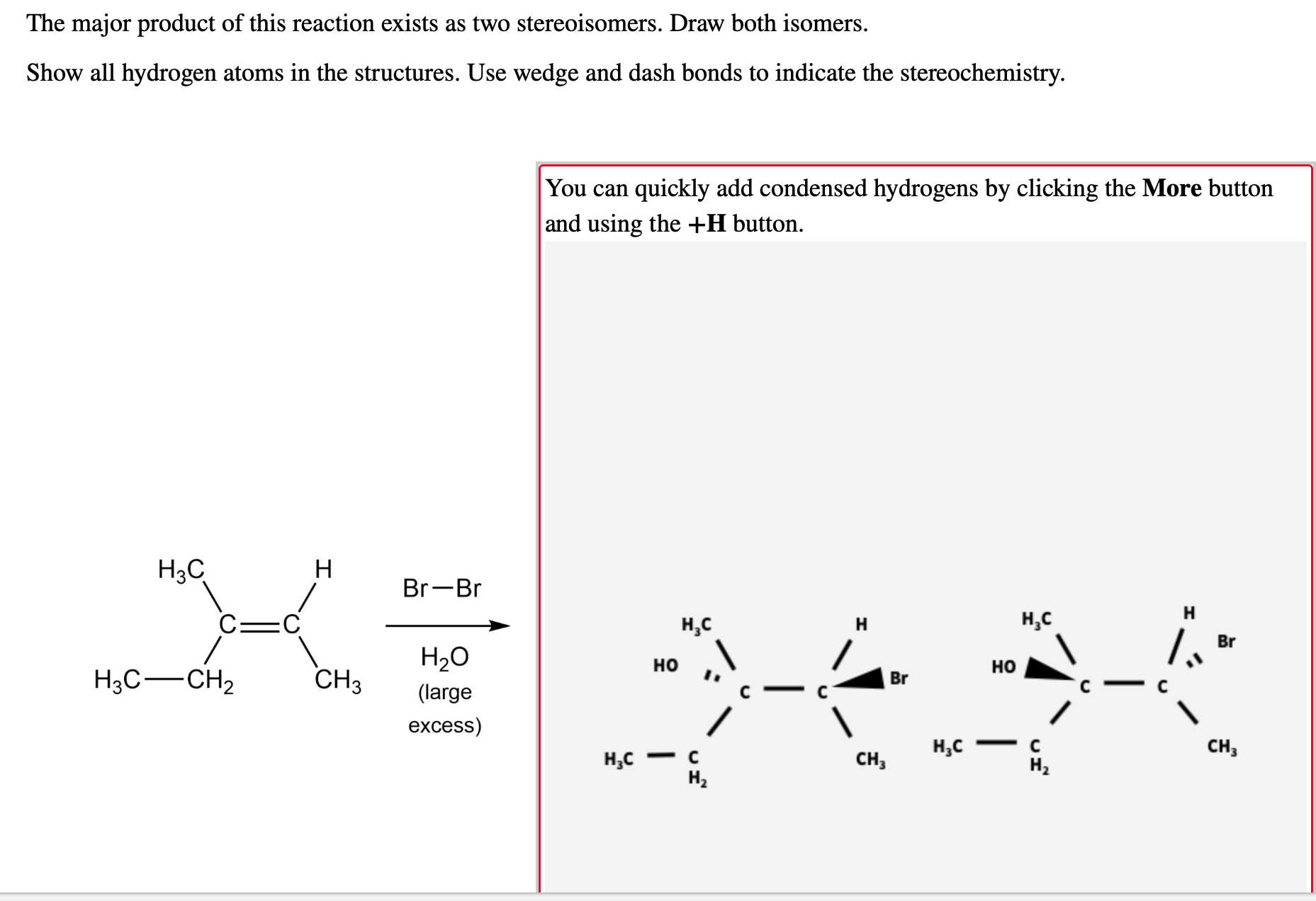
Draw The Major Product Of This Reaction - Draw the expected major product for each of the following reactions according to the markovnikov’s rule: Draw the curved arrow mechanism to support your answer and keep in mind the possibility of rearrangements that occur during hydrogen halide additions to alkenes: Draw a terminal alkene that would lead to this as the major product under these conditions. Web ignore any inorganic byproducts. These reaction usually occur by an e1cb mechanism where the oh leaving group is two carbons away from a carbonyl group. Look at these reactions and ask yourself this question for each: Web these are the four prototypical organic chemistry reactions, though several others which can be categorized as one of these are generally referred to by other names. Your solution’s ready to go! Web the major product of an elimination reaction tends to be the more substituted alkene. Show the major product of this reaction. Show the major product of this reaction. Draw a terminal alkene that would lead to this as the major product under these conditions. Web the major product of an elimination reaction tends to be the more substituted alkene. Draw the curved arrow mechanism to support your answer and keep in mind the possibility of rearrangements that occur during hydrogen halide additions to alkenes: Draw the expected major product for each of the following reactions according to the markovnikov’s rule: What bonds are broken, and what bonds are formed. Similar biological dehydrations are fairly common. This is because the transition state leading to the more substituted alkene is lower in energy and therefore will proceed at a higher rate. Look at these reactions and ask yourself this question for each: Your solution’s ready to go! Draw the starting structure that would lead to the major product shown under the provided conditions. Web these are the four prototypical organic chemistry reactions, though several others which can be categorized as one of these are generally referred to by other names. Draw the expected major product for each of the following reactions according to the markovnikov’s rule: Draw. Draw the starting structure that would lead to the major product shown under the provided conditions. These reaction usually occur by an e1cb mechanism where the oh leaving group is two carbons away from a carbonyl group. Draw a terminal alkene that would lead to this as the major product under these conditions. Draw the molecule on the canvas by. Draw the molecule on the canvas by choose. Web draw the major organic product generated in the reaction below. Draw the curved arrow mechanism to support your answer and keep in mind the possibility of rearrangements that occur during hydrogen halide additions to alkenes: Draw the expected major product for each of the following reactions according to the markovnikov’s rule:. Draw the starting structure that would lead to the major product shown under the provided conditions. Web the major product of an elimination reaction tends to be the more substituted alkene. Draw the expected major product for each of the following reactions according to the markovnikov’s rule: These reaction usually occur by an e1cb mechanism where the oh leaving group. Show the major product of this reaction. Draw the molecule on the canvas by choose. Web ignore any inorganic byproducts. Web these are the four prototypical organic chemistry reactions, though several others which can be categorized as one of these are generally referred to by other names. What bonds are broken, and what bonds are formed. Your solution’s ready to go! Draw the starting structure that would lead to the major product shown under the provided conditions. These reaction usually occur by an e1cb mechanism where the oh leaving group is two carbons away from a carbonyl group. Draw the expected major product for each of the following reactions according to the markovnikov’s rule: Draw the. Show the major product of this reaction. Look at these reactions and ask yourself this question for each: What bonds are broken, and what bonds are formed. Your solution’s ready to go! These reaction usually occur by an e1cb mechanism where the oh leaving group is two carbons away from a carbonyl group. What bonds are broken, and what bonds are formed. Draw the starting structure that would lead to the major product shown under the provided conditions. Draw the molecule on the canvas by choose. Web the major product of an elimination reaction tends to be the more substituted alkene. Draw the curved arrow mechanism to support your answer and keep in. Show the major product of this reaction. Draw the molecule on the canvas by choose. What bonds are broken, and what bonds are formed. Draw the expected major product for each of the following reactions according to the markovnikov’s rule: Draw a terminal alkene that would lead to this as the major product under these conditions. Draw the expected major product for each of the following reactions according to the markovnikov’s rule: Draw the molecule on the canvas by choose. These reaction usually occur by an e1cb mechanism where the oh leaving group is two carbons away from a carbonyl group. What bonds are broken, and what bonds are formed. Web ignore any inorganic byproducts. Draw a terminal alkene that would lead to this as the major product under these conditions. Look at these reactions and ask yourself this question for each: Show the major product of this reaction. Web the major product of an elimination reaction tends to be the more substituted alkene. This is because the transition state leading to the more substituted alkene is lower in energy and therefore will proceed at a higher rate. What bonds are broken, and what bonds are formed. Show the major product of this reaction. Draw the curved arrow mechanism to support your answer and keep in mind the possibility of rearrangements that occur during hydrogen halide additions to alkenes: Web draw the major organic product generated in the reaction below. Your solution’s ready to go! Draw the starting structure that would lead to the major product shown under the provided conditions. Web these are the four prototypical organic chemistry reactions, though several others which can be categorized as one of these are generally referred to by other names. Web ignore any inorganic byproducts.[Solved] Draw the major product of this reaction. Ignore
Solved Draw the major product of this reaction. Ignore
[Solved] . Problem 2 of 10 Draw the major product of this reaction
Solved Draw the major product of this reaction. Ignore
Solved Draw the major product of this reaction. Ignore

How do i solve this? Draw the product of this reaction. Ignore
Solved The major product of this reaction exists as two
Solved Draw the major product of this reaction. Ignore
Solved Draw the major product of this reaction. Ignore
Solved Draw the major product of this reaction. Ignore
Similar Biological Dehydrations Are Fairly Common.
These Reaction Usually Occur By An E1Cb Mechanism Where The Oh Leaving Group Is Two Carbons Away From A Carbonyl Group.
Draw The Molecule On The Canvas By Choose.
Draw The Expected Major Product For Each Of The Following Reactions According To The Markovnikov’s Rule:
Related Post: