
Drawing Of Cell Cycle
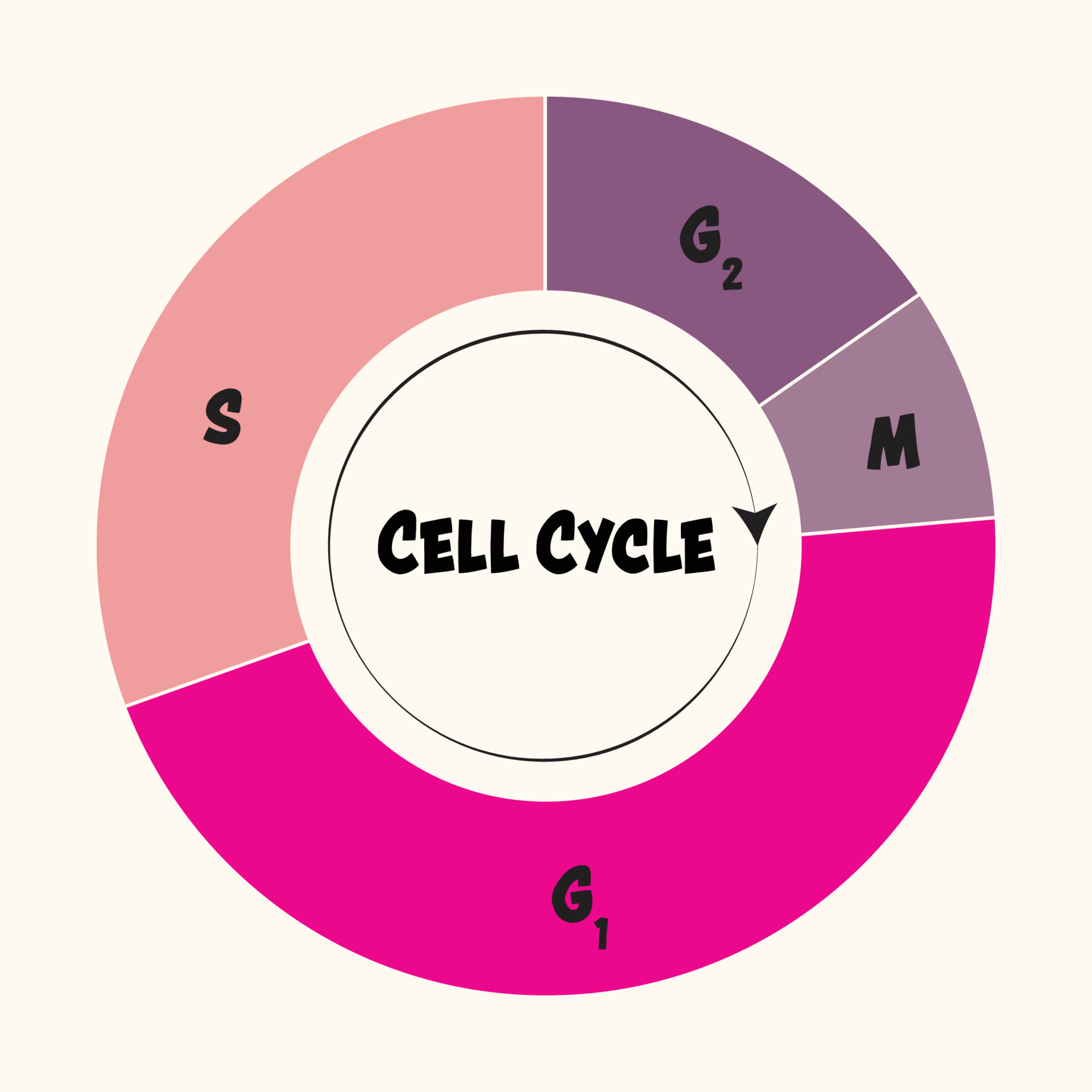
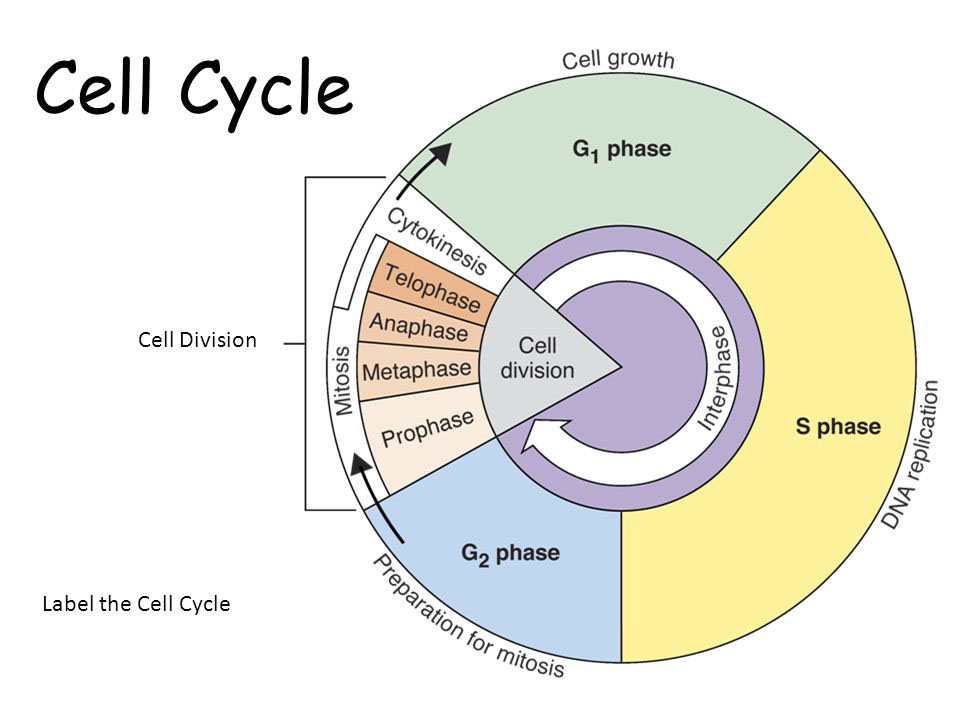
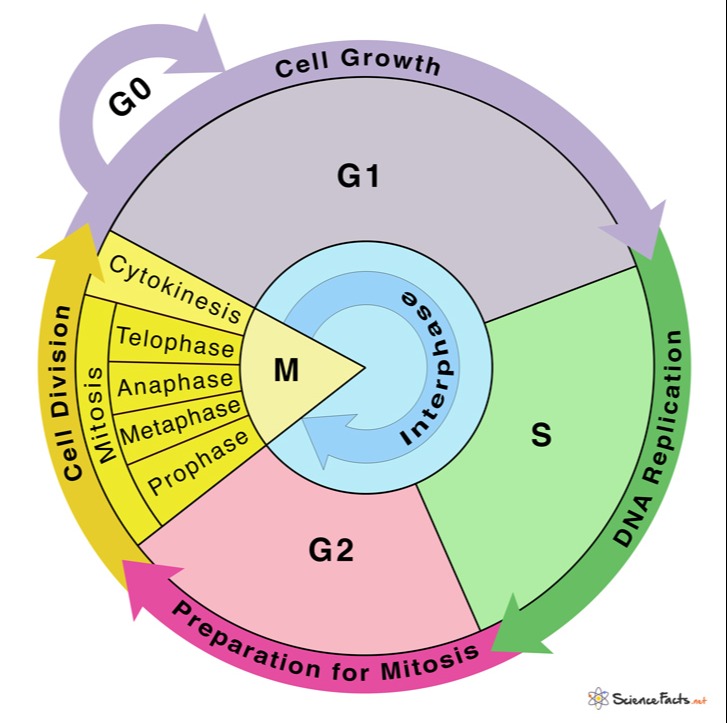
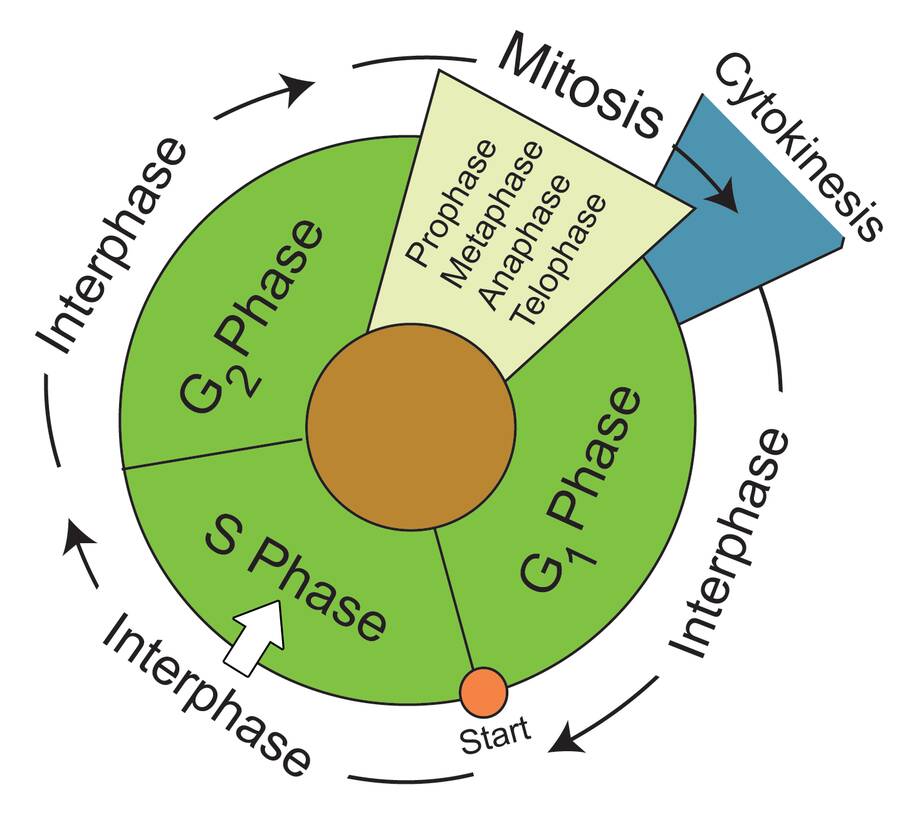
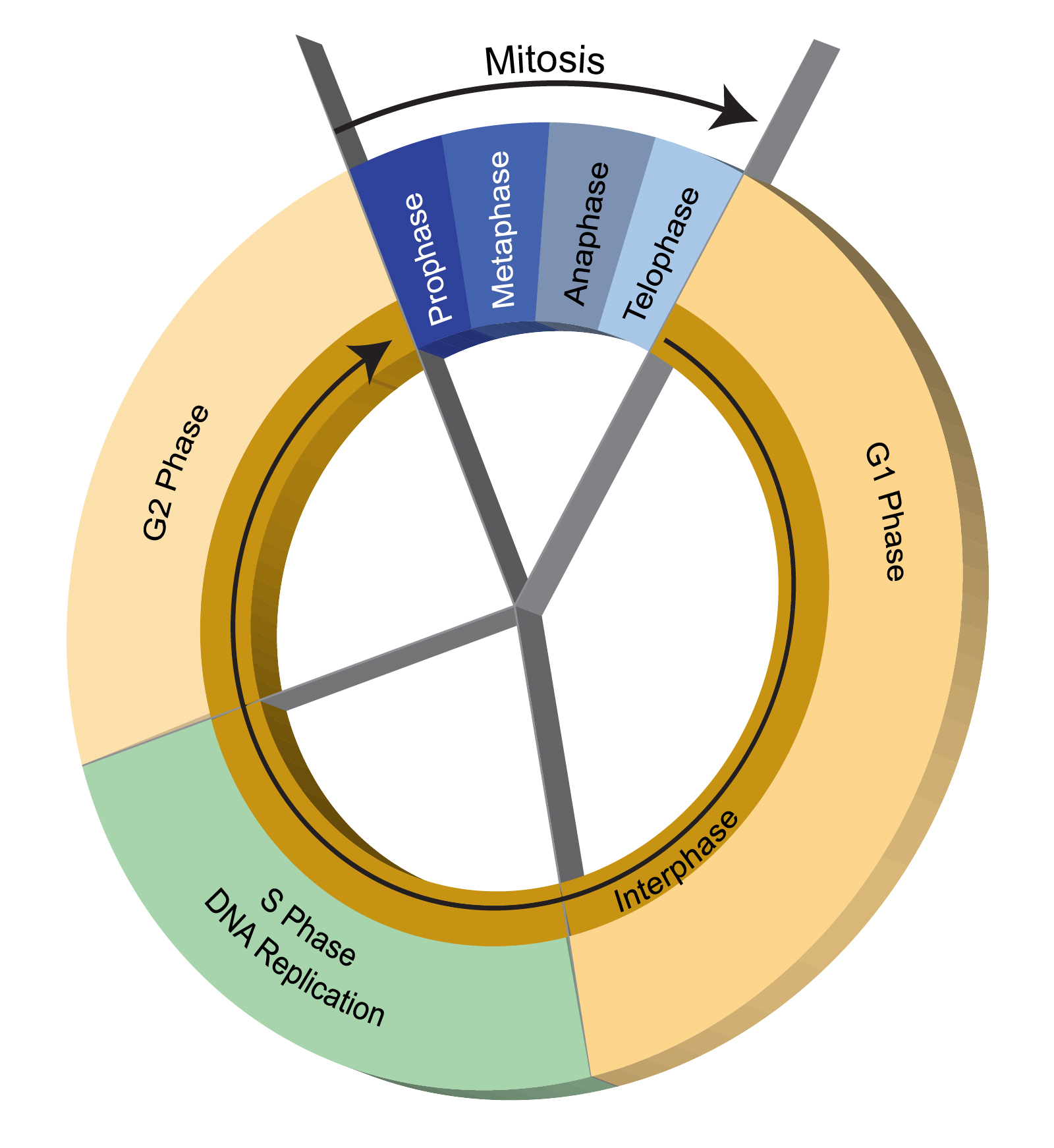
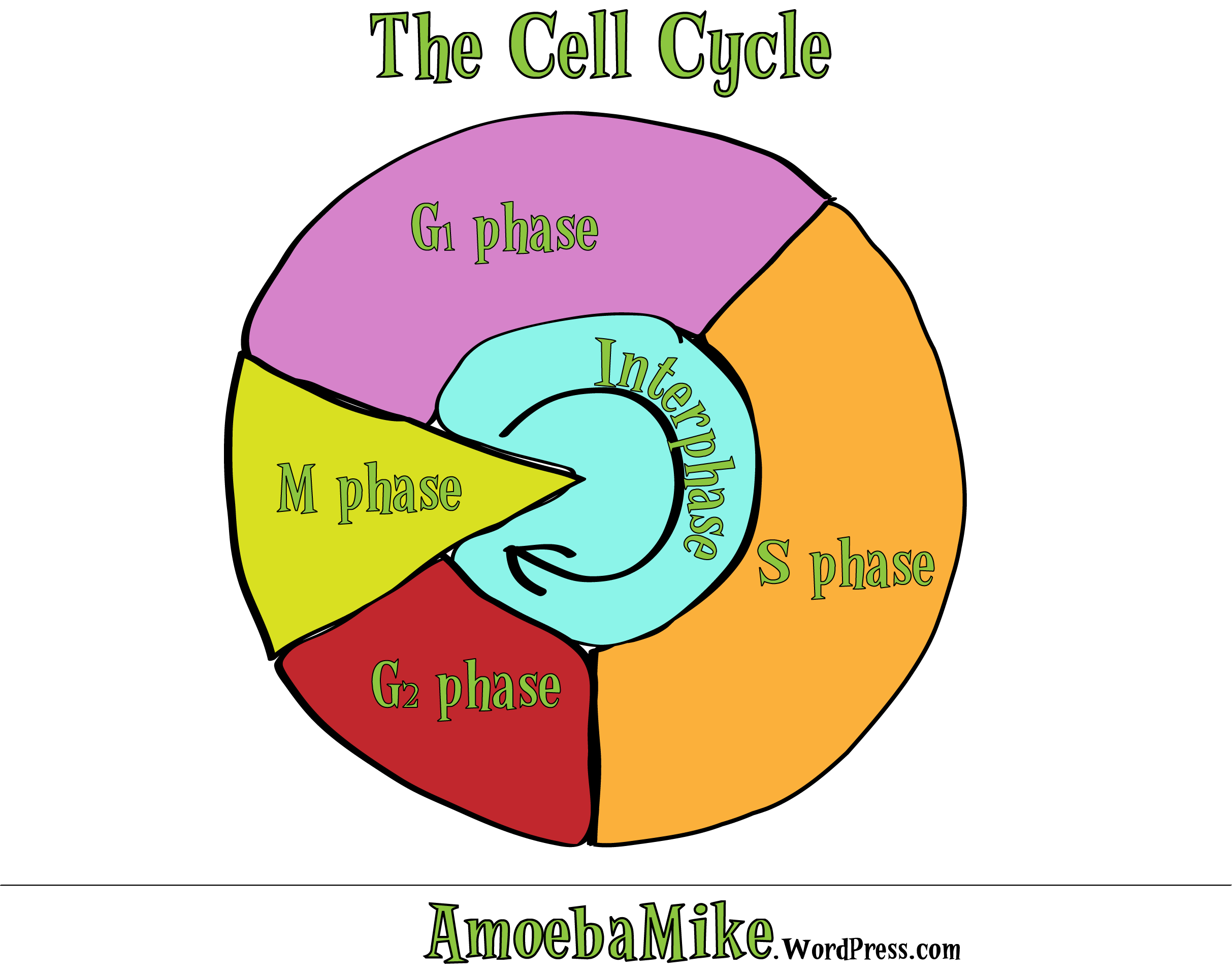
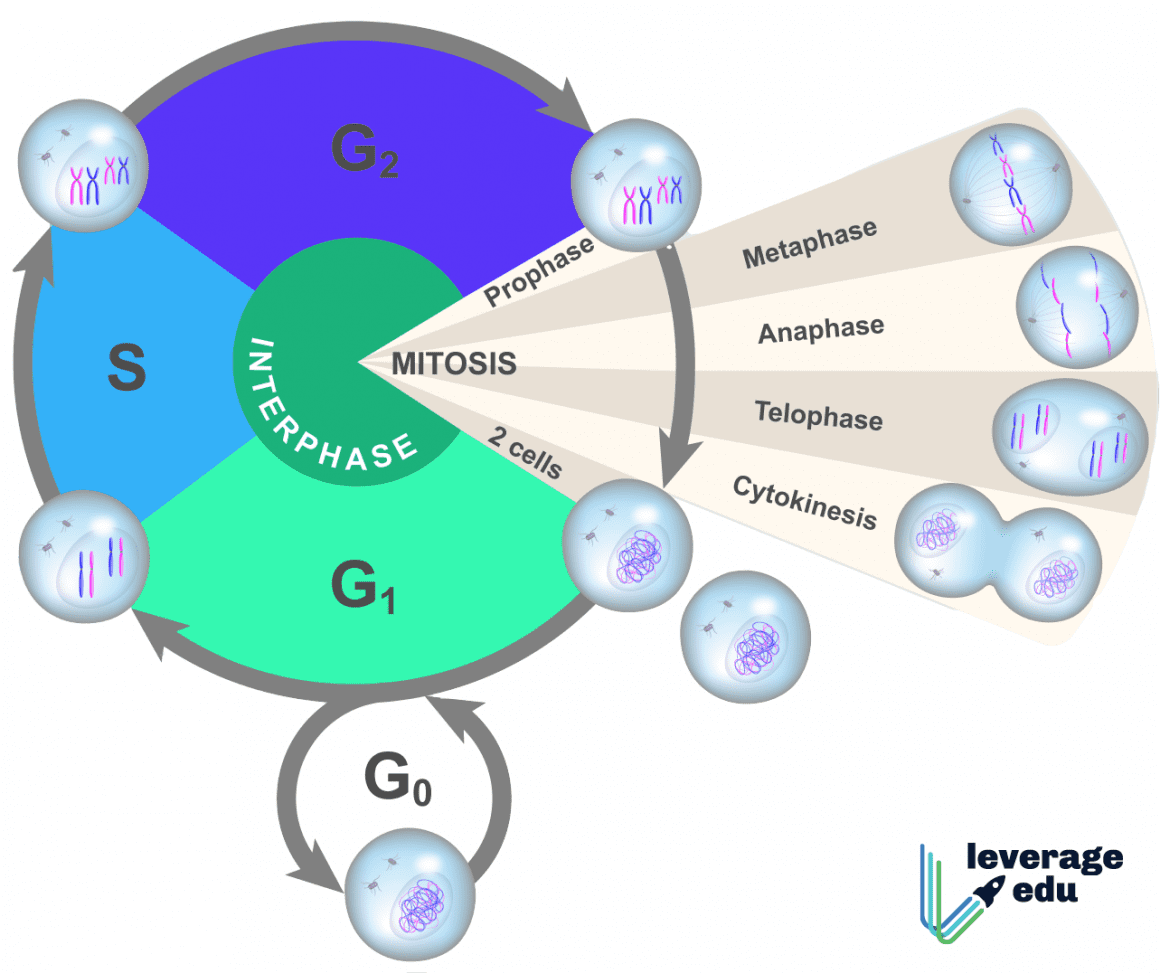
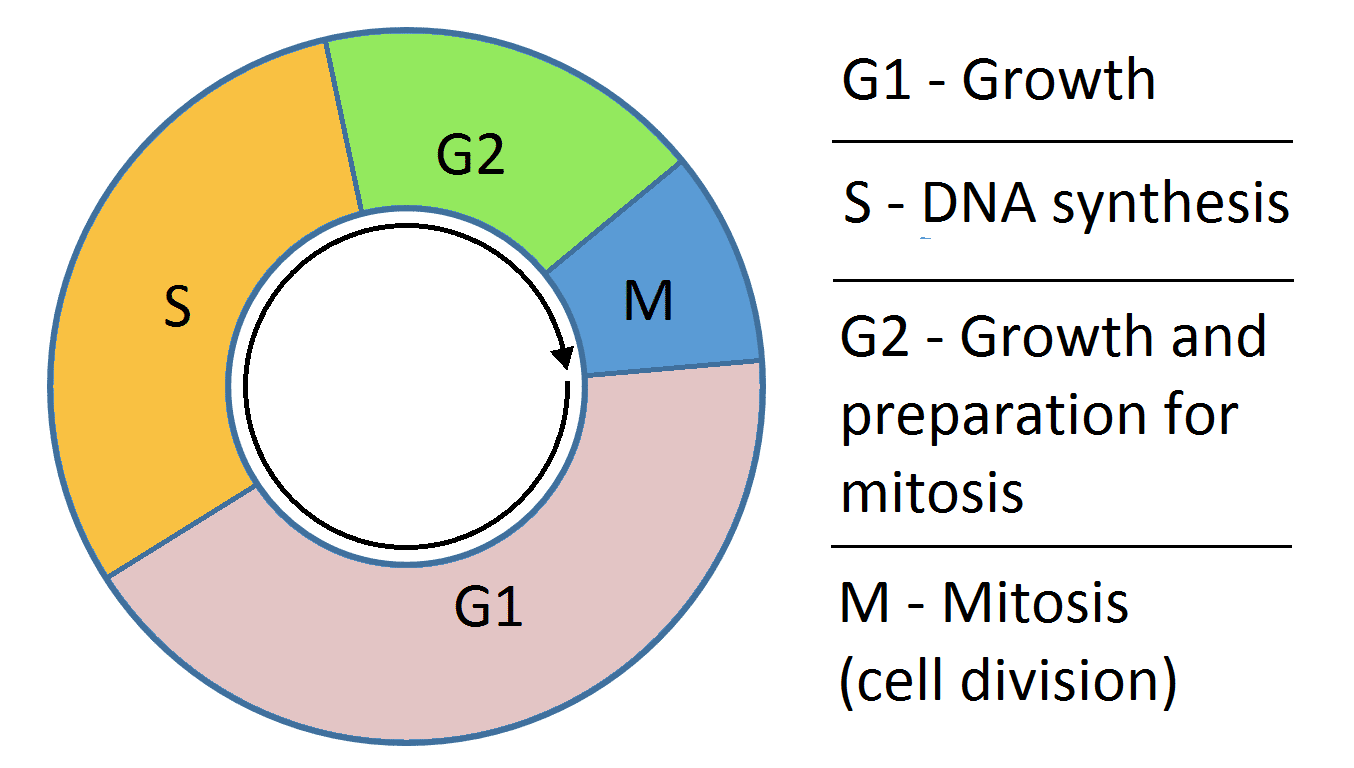
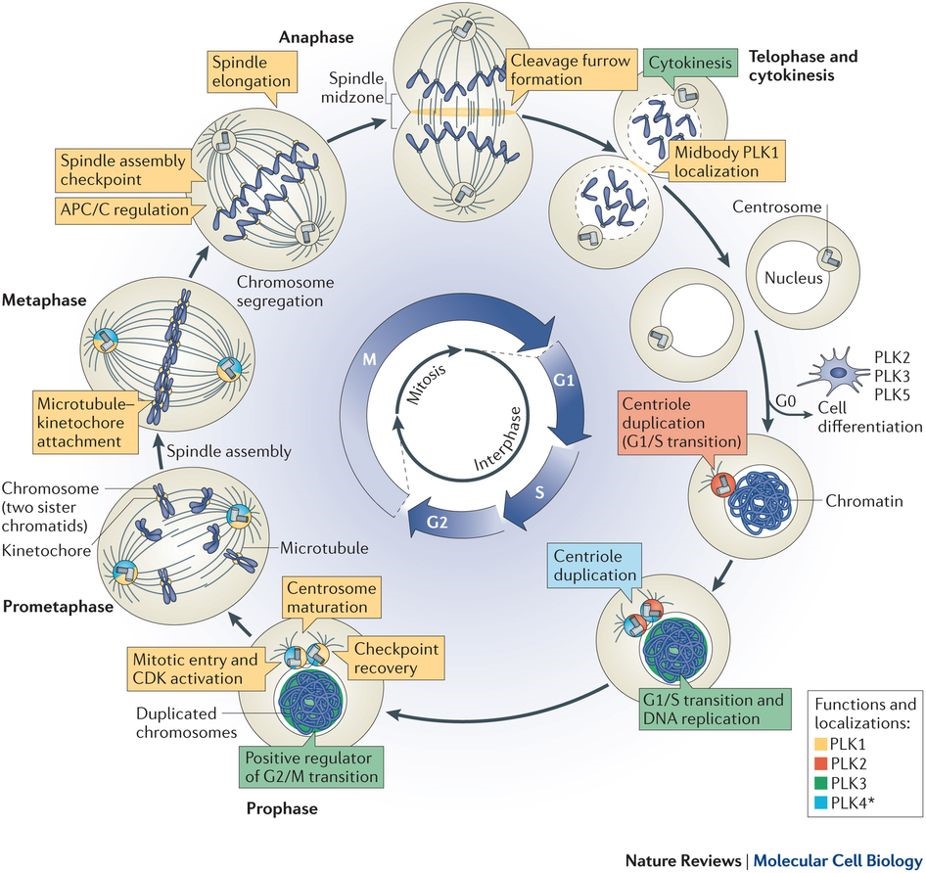
Drawing Of Cell Cycle - However, during the g 1 stage, the cell is quite active at the biochemical level. Cells on the path to cell division proceed through a series of precisely timed and carefully regulated stages of growth, dna replication, and division that produce two genetically identical cells. These processes define the two major phases of the cell cycle. Phase of the cell cycle where the cell grows and makes a copy of its dna: The cell cycle is a series of events that cells go through to grow, replicate their dna, and divide.this process is vital for the growth, development, repair, and maintenance of living organisms. Web this video walks through drawing the stages of the cell cycle. Phase of the cell cycle where the cell separates its dna into two sets and divides, forming two new cells: Web life cycle of the cell onion cells in different phases of the cell cycle.growth in an 'organism' is carefully controlled by regulating the cell cycle. G 2 (gap 2) phase 4. Web the cell cycle is an ordered series of events involving cell growth and cell division that produces two new daughter cells. Phase of the cell cycle where the cell separates its dna into two sets and divides, forming two new cells: Web this video walks through drawing the stages of the cell cycle. Web g 1 phase. And as we'll see, interphase is where a cell spends most of its life. The first stage of interphase is called the g 1 phase, or first gap, because little change is visible. G 1 (gap1) phase 2. The cell cycle is an ordered series of events involving cell growth and cell division that produces two new daughter cells. So i'm gonna make it like a cycle so it's gonna go back on itself. G0, g1, s, g2, m. Cells on the path to cell division proceed through a series of precisely timed and carefully regulated stages of growth, dna replication, and nuclear and cytoplasmic division that ultimately produces two identical (clone) cells. The mitotic phase follows interphase. Web mitosis is a type of cell division in which one cell (the mother) divides to produce two new cells (the daughters) that are genetically identical to itself. Cytokinesis is the division of cytoplasm into two halves, indicating the end of cell division. In the context of the cell cycle, mitosis is the part of. The series of growth and development steps a cell undergoes between its formation and reproduction: Cells on the path to cell division proceed through a series of precisely timed and carefully regulated stages of growth, dna replication, and nuclear and cytoplasmic division that ultimately produces two identical (clone) cells. Modification of work by mariana ruiz villareal; Web the division cycle. The series of growth and development steps a cell undergoes between its formation and reproduction: The first stage of interphase is called the g 1 phase, or first gap, because little change is visible. Web mitosis is a type of cell division in which one cell (the mother) divides to produce two new cells (the daughters) that are genetically identical. Remember, mitosis is the process of cell division, but it’s just a portion of the full cell cycle. The cell cycle is an ordered series of events involving cell growth and cell division that produces two new daughter cells. Web the cell cycle is defined as the events that enable cells to proceed from one cell division event to the. Phase of the cell cycle where the cell separates its dna into two sets and divides, forming two new cells: In the context of the cell cycle, mitosis is the part of the division process in which the dna of the cell's nucleus is split into two equal sets of chromosomes. Web the cell cycle is a set of steps. G 2 (gap 2) phase 4. The g 1 phase is set in immediately after the cell division. Web the cell cycle is an ordered series of events involving cell growth and cell division that produces two new daughter cells. Cells on the path to cell division proceed through a series of precisely timed and carefully regulated stages of growth,. During interphase, g 1 involves cell growth and protein synthesis, the s phase involves dna replication and the replication of the centrosome, and g 2 involves further growth and protein synthesis. Cells on the path to cell division proceed through a series of precisely timed and carefully regulated stages of growth, dna replication, and. Cells on the path to cell. It is characterised by a change in the chromosome from the condensed mitotic state to the. Let's draw a timeline for a cell. However, during the g 1 stage, the cell is quite active at the biochemical level. Web the cell cycle is the sequence of events occurring in an ordered fashion which results in cell growth and cell division.. Web figure 6.3 a cell moves through a series of phases in an orderly manner. In bacteria, cell growth and dna replication take place throughout most of the cell cycle, and duplicated chromosomes are distributed to daughter cells in association with the. Web g 1 phase. Modification of work by mariana ruiz villareal; In this way, the cell avoids the. These processes define the two major phases of the cell cycle. The g 1 phase is set in immediately after the cell division. Web the cell cycle is an ordered series of events involving cell growth and cell division that produces two new daughter cells. The mitotic phase follows interphase. Web the cell cycle is defined as the events that. And as we'll see, interphase is where a cell spends most of its life. Let's draw a timeline for a cell. Web the most basic function of the cell cycle is to duplicate accurately the vast amount of dna in the chromosomes and then segregate the copies precisely into two genetically identical daughter cells. So let's say this is a new cell and it will go through interphase. Web the division cycle of most cells consists of four coordinated processes: G 1 (gap1) phase 2. Phase of the cell cycle where the cell grows and makes a copy of its dna: Cytokinesis is the division of cytoplasm into two halves, indicating the end of cell division. The mitotic phase follows interphase. Web mitosis is a type of cell division in which one cell (the mother) divides to produce two new cells (the daughters) that are genetically identical to itself. Web the interphase part of the life cycle of a cell. G0, g1, s, g2, m. The cell cycle is a series of events that cells go through to grow, replicate their dna, and divide.this process is vital for the growth, development, repair, and maintenance of living organisms. Figure 5 shows approximately how long a cell spends in each stage of the cell cycle: During interphase, the cell grows and the nuclear dna is duplicated. From g0, the cell can undergo terminal differentiation.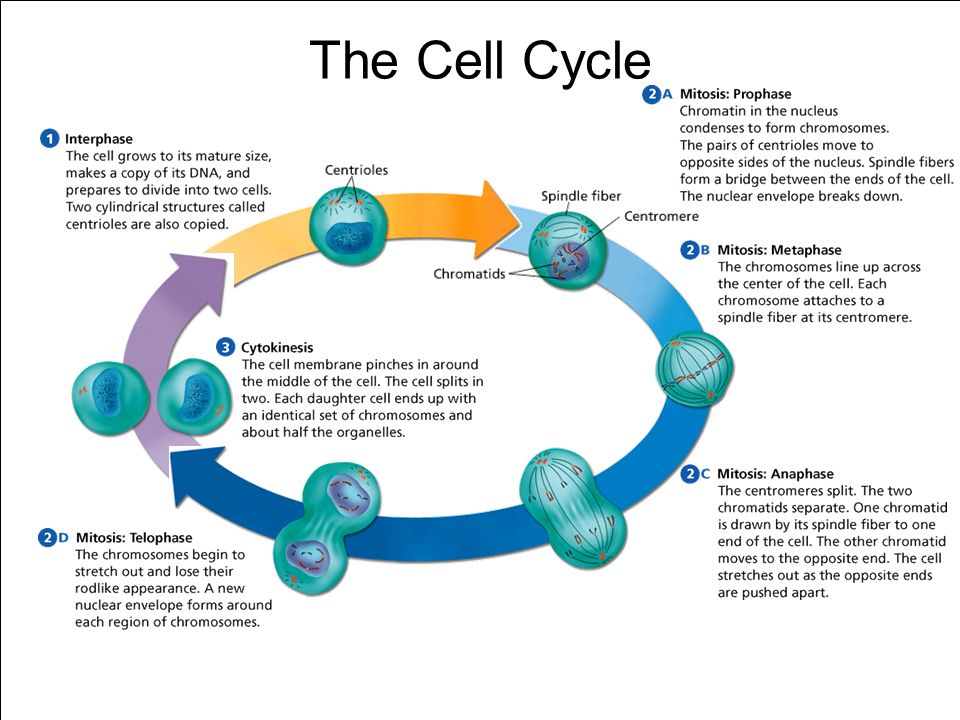
Cell Cycle Drawing at GetDrawings Free download
Phases of the cell cycle 6894530 Vector Art at Vecteezy
Phases of Cell cycle Online Biology Notes
The Cell Cycle Study Guide Inspirit
Cell Biology, Mitosis Cell Cycle
Cell Cycle
Cell Division An Intro AmoebaMike
Mitosis Cell Cycle Phases
The Cell Cycle Phases Mitosis Regulation TeachMePhysiology
The Cell Cycle Interphase & Mitosis ALevel Biology Revision Notes
Web Identify The Stages Of The Cell Cycle, By Picture And By Description Of Major Milestones.
Web The Cell Cycle Is The Sequence Of Events Occurring In An Ordered Fashion Which Results In Cell Growth And Cell Division.
Web The Cell Cycle Is Defined As The Events That Enable Cells To Proceed From One Cell Division Event To The Next.
It Is Characterised By A Change In The Chromosome From The Condensed Mitotic State To The.
Related Post: