
Drawing Of Gallbladder
Drawing Of Gallbladder - This muscular organ also concentrates and releases bile into the digestive system. This is very similar to the intestines and the stomach. This article will review the anatomy of the gallbladder as well as the associated biliary apparatus. The gallbladder holds a digestive fluid called bile that's released into your small intestine. The neck connects to a system of ducts. The most common issue you may develop with your gallbladder is gallstones. In adults, the gallbladder measures approximately eight centimeters (3.1 in) in length and four centimeters (1.6 in) in diameter when fully distended. Please don’t forget to subscribe to my video. Web one such organ is the gallbladder. Your gallbladder sits on the right side of your belly, below your liver. A tube is then inserted to help with additional drainage. Web venous drainage of the gallbladder and cystic duct is via cystic veins, which flow into the hepatic vein. Web one such organ is the gallbladder. Web the gallbladder is a hollow organ that sits beneath the liver and stores bile made in the liver. This muscular organ also concentrates and releases bile into the digestive system. The bile duct is drained by the superior pancreaticoduodenal vein, which in turn empties into the hepatic portal system. After watching this video you will be able to draw these diagrams. Structurally it is characterized by its pyriform shape and location between the. Web the conventional lsm was determined by manually drawing rois on the elastogram within the 95% confidence region, staying 1 cm within the liver capsule and excluding large hilar vessels, the gallbladder, hepatic lesions, and artifacts. Drawing of the biliary system, with the liver, gallbladder, duodenum, pancreatic duct, common bile duct, pancreas, cystic duct, and hepatic ducts. Special attention will also be paid to the relevant embryology, histology and adjacent anatomical structures. When bile is needed, the gallbladder contracts, forcing the fluid through a tube called the cystic duct. Your gallbladder sits on the right side of your belly, below your liver. The neck connects to a system of ducts. The gallbladder is a small hollow organ. Web the gallbladder is a hollow organ that sits beneath the liver and stores bile that is made in the liver. Drawing of the biliary system, with the liver, gallbladder, duodenum, pancreatic duct, common bile duct, pancreas, cystic duct, and hepatic ducts. The next layer is a layer of loose connective tissue called the lamina propria. Structurally it is characterized. Question do the regimens of adjuvant gemcitabine and cisplatin (gc) and capecitabine concurrent with chemoradiation (ccrt) with capecitabine result in adequate early survival rates in patients with resected stage ii and stage iii gallbladder cancers?. In adults, the gallbladder measures approximately 7 to 10 centimetres (2.8 to 3.9 inches) in length and 4 centimetres (1.6 in) in diameter when fully. The neck connects to a system of ducts. Web a gallbladder scan is a specialized radiology procedure used to assess the function and structure of the gallbladder. Gallstones are hardened deposits of bile that can form in your gallbladder. Also, press the bell icon to get. Special attention will also be paid to the relevant embryology, histology and adjacent anatomical. Also, press the bell icon to get. The gallbladder as depicted in gray’s anatomy. Special attention will also be paid to the relevant embryology, histology and adjacent anatomical structures. Its main function is to store and concentrate bile. Web the gallbladder is a hollow organ that sits beneath the liver and stores bile that is made in the liver. Web the gallbladder's main function is to store bile, a fluid that helps with digestion. The gallbladder is divided into three sections: Hello friends, this is my youtube. Special attention will also be paid to the relevant embryology, histology and adjacent anatomical structures. Drawing of the biliary system, with the liver, gallbladder, duodenum, pancreatic duct, common bile duct, pancreas, cystic. Your gallbladder sits on the right side of your belly, below your liver. When bile is needed, the gallbladder contracts, forcing the fluid through a tube called the cystic duct. Question do the regimens of adjuvant gemcitabine and cisplatin (gc) and capecitabine concurrent with chemoradiation (ccrt) with capecitabine result in adequate early survival rates in patients with resected stage ii. Web one such organ is the gallbladder. The gallbladder is a small hollow organ about the size and shape of a pear. Web the gallbladder is constructed like most organs in the digestive tract it contains: Annotations expand annotations expand annotations expand annotations expand annotations expand annotations expand annotations expand back to normal histology hepatobiliary system and pancreas pathology The. It is part of the biliary and gastrointestinal systems. After watching this video you will be able to draw these diagrams. The fundus, body, and neck. Web the conventional lsm was determined by manually drawing rois on the elastogram within the 95% confidence region, staying 1 cm within the liver capsule and excluding large hilar vessels, the gallbladder, hepatic lesions,. A tube is then inserted to help with additional drainage. This article will review the anatomy of the gallbladder as well as the associated biliary apparatus. Web a gallbladder scan is a specialized radiology procedure used to assess the function and structure of the gallbladder. The biliary system is a series of ducts within the liver, gallbladder, and pancreas that. Web the gallbladder is constructed like most organs in the digestive tract it contains: In adults, the gallbladder measures approximately 7 to 10 centimetres (2.8 to 3.9 inches) in length and 4 centimetres (1.6 in) in diameter when fully distended. Web one such organ is the gallbladder. The gallbladder holds a digestive fluid called bile that's released into your small intestine. The liver produces and releases bile, a green substance that absorbs and breaks down lipids. The biliary system is a series of ducts within the liver, gallbladder, and pancreas that empty into the small intestine. This liquid, made in your. Your gallbladder stores and releases bile to help your digestive system break down fats. Web venous drainage of the gallbladder and cystic duct is via cystic veins, which flow into the hepatic vein. The most common issue you may develop with your gallbladder is gallstones. The gallbladder as depicted in gray’s anatomy. Web as part of the gustatory response, the stored bile is then released from the gallbladder in response to cholecystokinin. Web drawing of the biliary system with the liver, gallbladder, pancreas, duodenum, bile ducts, cystic duct, common bile duct, and pancreatic duct labeled. Gallstones are hardened deposits of bile that can form in your gallbladder. The next layer is a layer of loose connective tissue called the lamina propria. Web the gallbladder is a hollow organ that sits beneath the liver and stores bile made in the liver.
How to draw human Gallbladder step by step drawing tutorial YouTube
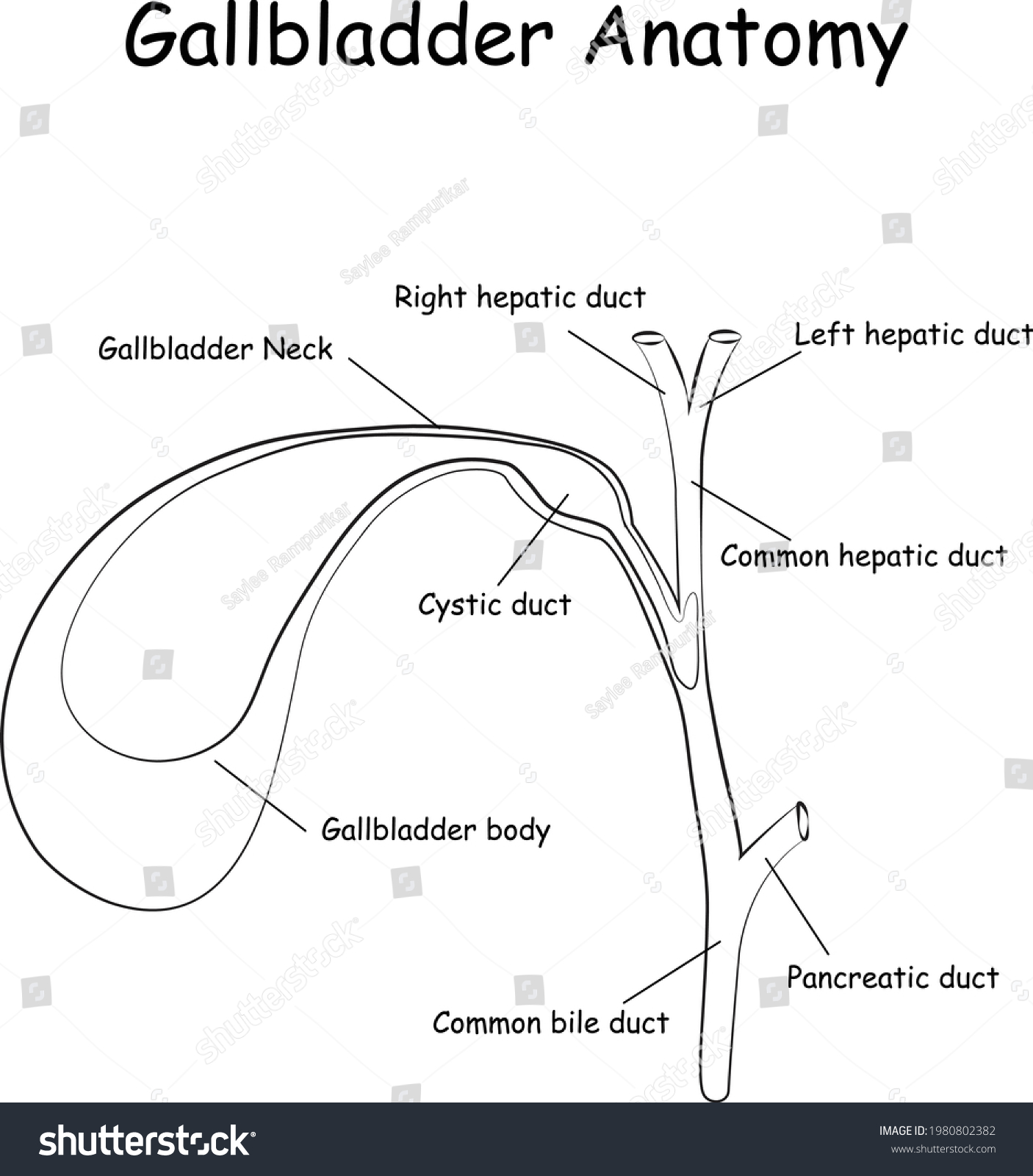
Gallbladder Anatomy Gallbladder Diagram Simple Line Stock Vector
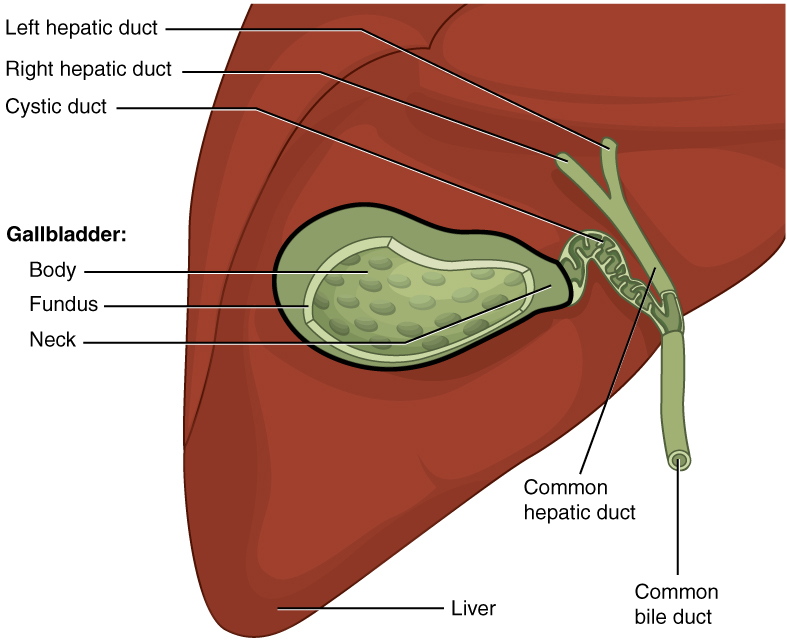
Gallbladder and Biliary Tract Anatomy Concise Medical Knowledge
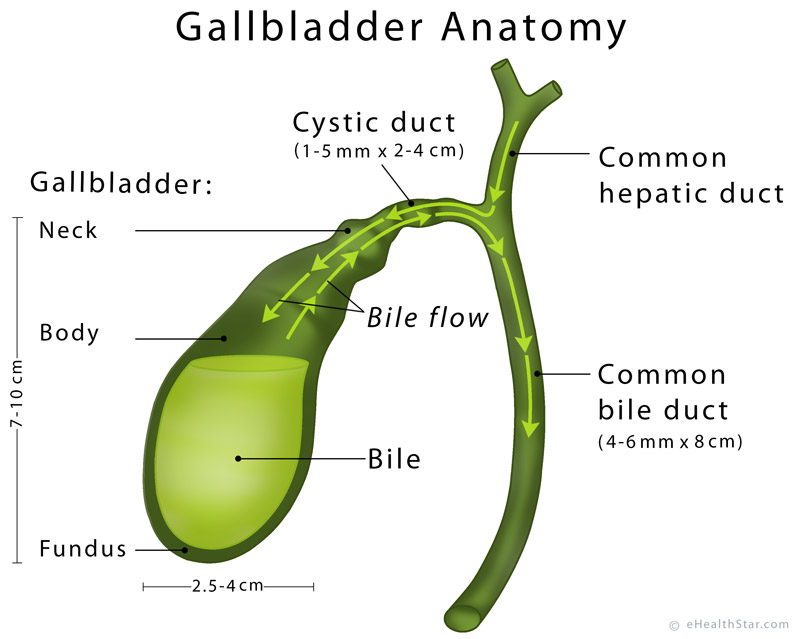
Gallbladder Definition, Anatomy, Parts, Function, Pictures eHealthStar

Human gallbladder anatomy realistic illustration front view in detail

Gallbladder Drawing Free download on ClipArtMag
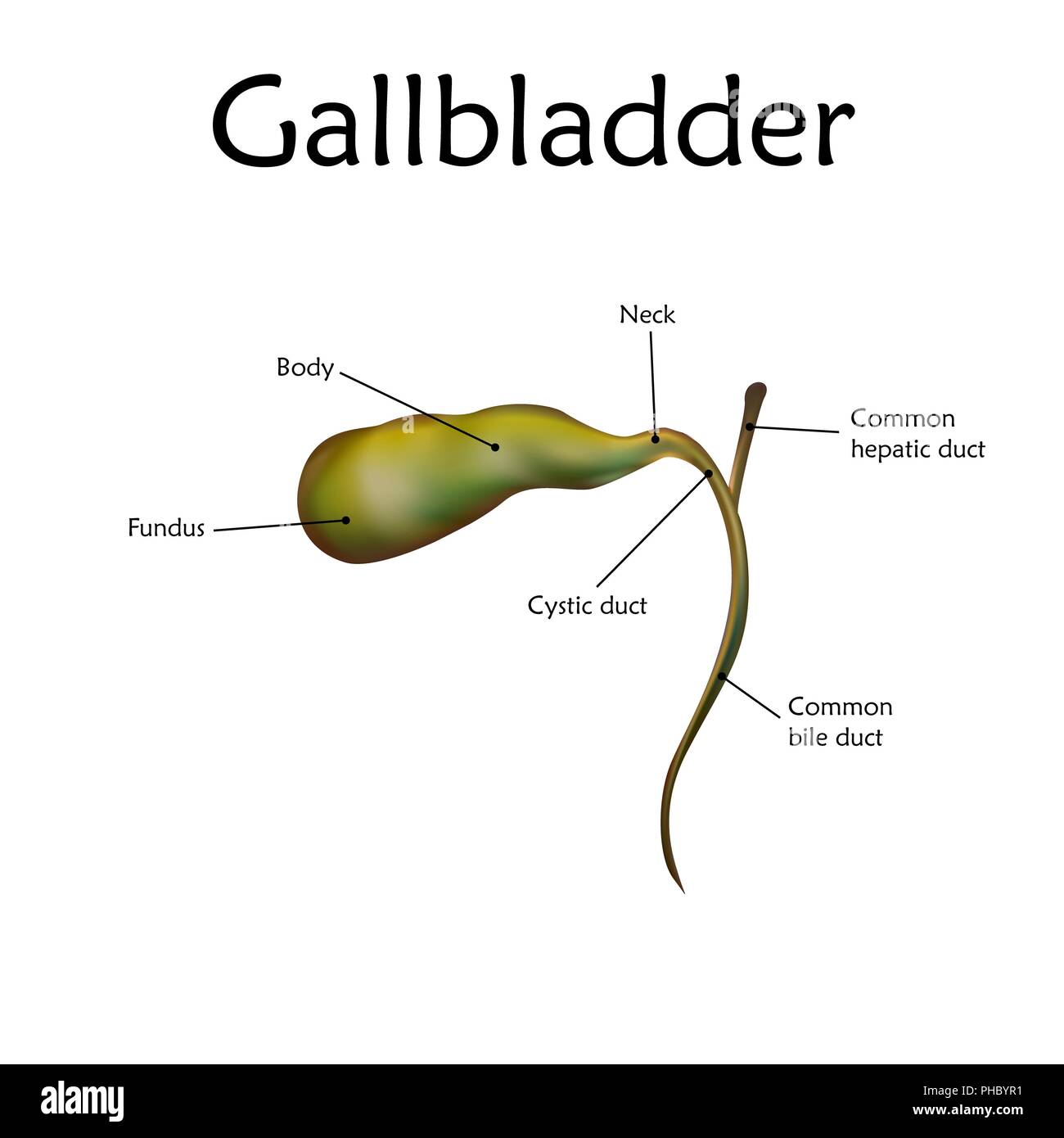
Gallbladder diagram hires stock photography and images Alamy

Cartoon human gallbladder anatomy Royalty Free Vector Image
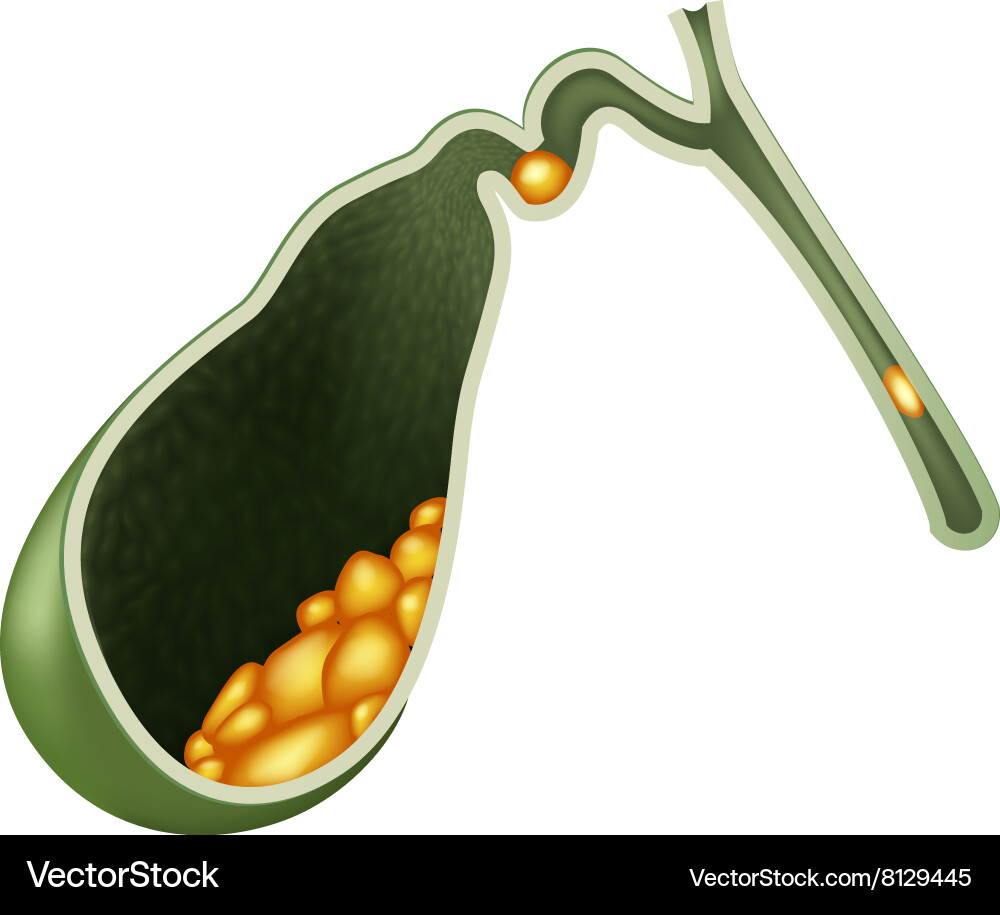
Cartoon of Human Internal gallbladder anatomy Vector Image
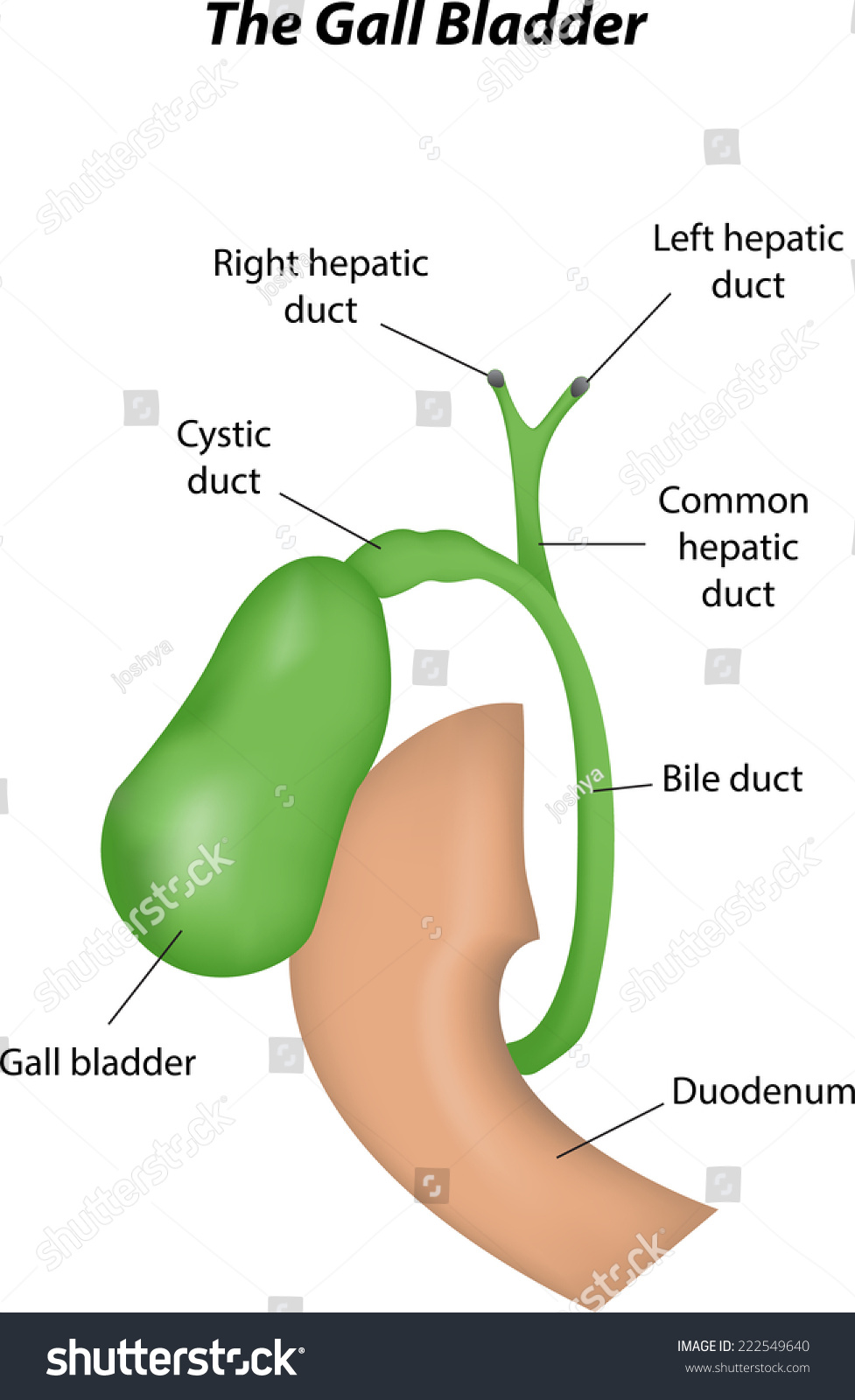
The Gall Bladder Labeled Diagram Royalty Free Stock Vector 222549640
The Gallbladder Is Divided Into Three Sections:
A Tube Is Then Inserted To Help With Additional Drainage.
Special Attention Will Also Be Paid To The Relevant Embryology, Histology And Adjacent Anatomical Structures.
Your Gallbladder Sits On The Right Side Of Your Belly, Below Your Liver.
Related Post: